ART THAT HONORS TRADITION, DESIGN THAT LOOKS TO THE FUTURE
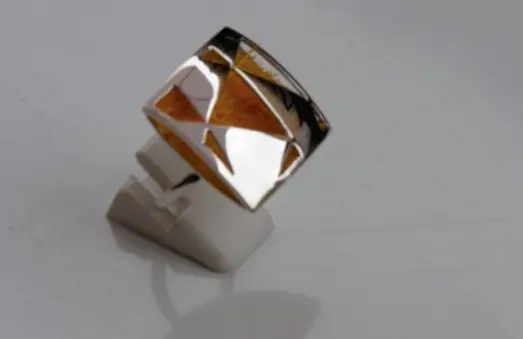
Rings: Caring for the Environment
Thinking of a more human design means rethinking production in search of a “new quality of life,” finding new relationships between people and their surroundings, generating well-being without destruction, dignifying the jewel through a new meaning for the material, with an expression and an aesthetic understood in both a cultural and a natural sense, producing transformations toward quality design from a conceptual system.
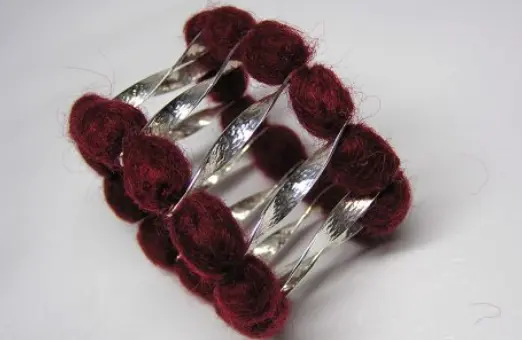
Bracelets: Between Technique and Conscience
In times of environmental crisis and ethical questions about consumption, jewelry design opens a way to rethink luxury as something conscious. The material matters not only for its beauty, but for its origin, its transformation and its destination. Creating jewels is, then, rethinking relationships: between the artisan and the material, between the wearer and the object, between the ancestral and the present.
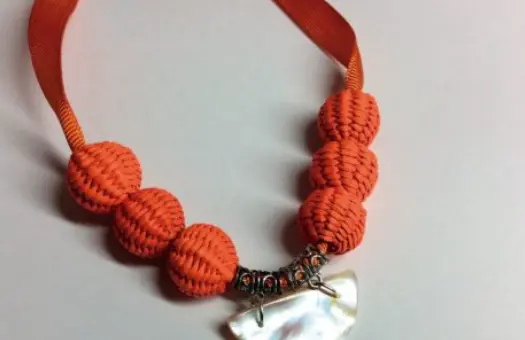
Straw Jewels for a Sustainable World
Straw, a natural material, becomes a symbol of identity. Using it in jewelry not only gives it new meaning, but dignifies the craft, reconnecting with ancestral knowledge and sustainable surroundings.
In a global context marked by excess and environmental wear, working with alternative materials such as straw is an ethical and aesthetic response. It means rethinking production from a more human perspective, in which the object not only beautifies but also communicates a more conscious way of living, closer to the earth and to the hands that work it.
These jewels generate a new kind of beauty, a beauty that breathes, that speaks of what is simple and essential. When the straw is braided, stories and memories are woven too; a dialogue is created between the natural and the cultural, giving way to a jewelry design that does not destroy, but cares and transforms.
In this way, straw jewels invite us to imagine possible futures, where elegance is redefined from what is authentic, handmade and sustainable. Quality design is not born of excess, but of respect for the environment and for the history of each material.
See more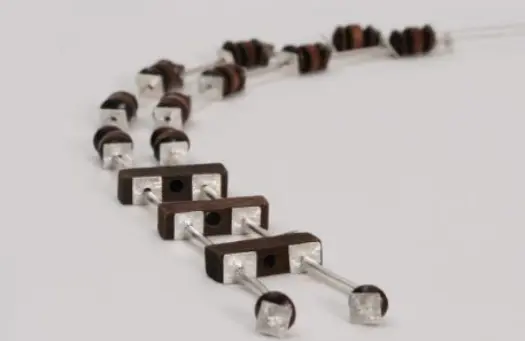
Wood Jewels: Sustainable Design — Resignifying Matter
Using wood in jewelry is more than an aesthetic choice: it is an ethical statement. Reuse, recover, transform. In this process, the jewel becomes a bridge between nature and culture, rescuing materials that were once waste to give them a new voice through art and design.
See more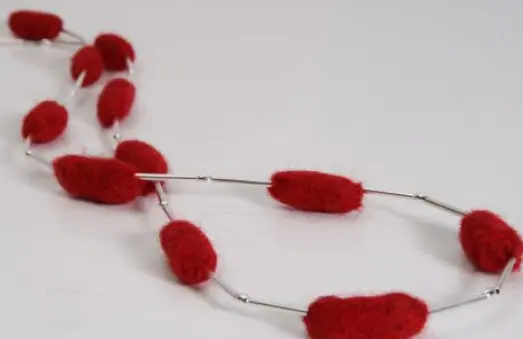
Necklaces: A New Aesthetic, New Values
Jewels do not only adorn: they question. They challenge traditional ideas of luxury and value, proposing a more human, more conscious aesthetic. From this perspective, design seeks not only to beautify but also to educate, inspire and transform. In this way, jewels made with alternative materials invite us to imagine possible futures, where elegance is redefined from what is authentic and sustainable. Quality design is not born of excess, but of respect for the environment and for the history of each material.
See more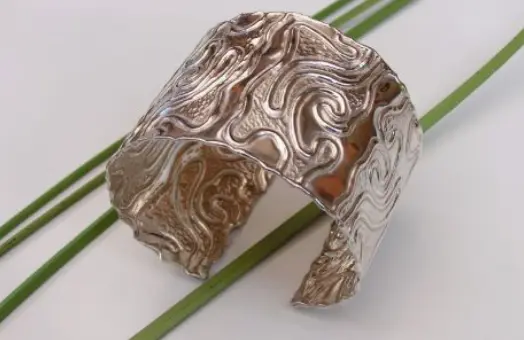
Bracelets: Traces of the past: Paths toward a sustainable future.
Designing jewels from the traces of the past is an act of connection with our history and with the land we inhabit. We turn our gaze toward what is essential: cultural traces, ancestral symbols and materials with memory. Each piece is a form of reunion, a synthesis between what we were and what we aspire to be.
This approach means rethinking production: choosing recovered or noble materials, valuing slow and conscious processes, and dignifying the jewel as an object that carries meaning. Aesthetics are born not only of form, but of ethical coherence, of a bond with the natural and the cultural. It is a design proposal that seeks not only to adorn, but to transform: to generate beauty without destruction, well-being without dispossession.
Jewels thus become seals of time, with a language of their own that evokes memories and honors the surroundings. They are forms charged with meaning, born of a conceptual system in which the past inspires, the present reflects and the future is cared for.
See more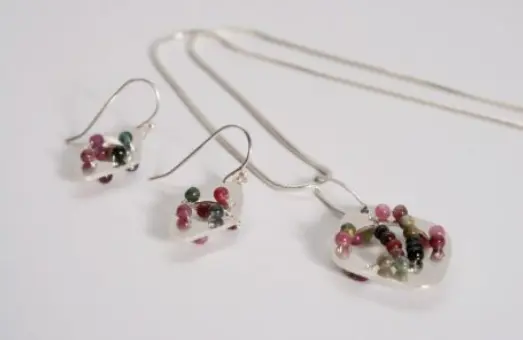
Jewels are born of a dialogue between the human hand and nature. Inspired by soft curves, living textures and spontaneous patterns, these organic forms reflect an evolutionary process that is not only biological, but also cultural. They are living traces of an aesthetic in constant transformation.
See more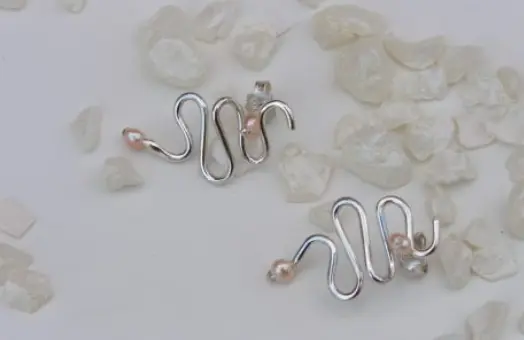
Earrings: The organic as a language
Jewelry becomes a sensitive language in which nature guides the form. Each piece speaks of the flow of water, the spread of a leaf, the ripple of the wind. It is a design that breathes, grows and adapts, as life itself does.
See more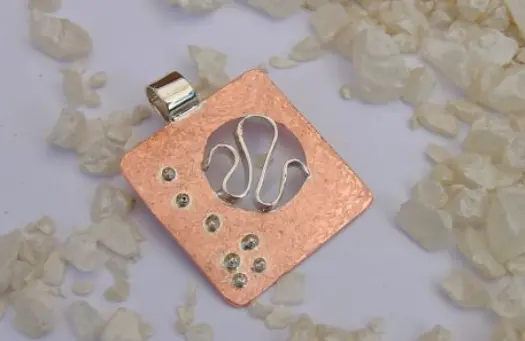
Jewels with environmental awareness, toward a sustainable future.
Copper as a symbol of transformation.
Where others see waste, we see possibility. We recover copper and give it new life through jewelry design with meaning. This way of creating seeks a balance between the symbolic and the sustainable, giving new meaning to recovered, recycled or natural materials through techniques that honor tradition and the present.
Each piece does not only beautify: it holds a story, a memory, a conscience. It is jewelry that respects, transforms and is reborn, committed to the well-being of the planet and of those who inhabit it.
Designs conceived from a circular approach: less waste, more meaning.
See more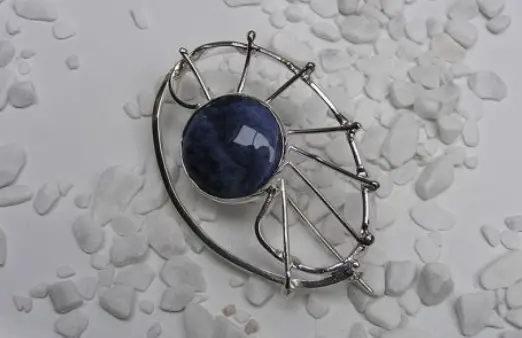
Organic Geometry: Geometry with a soul
The forms of jewelry have evolved over time as a reflection of cultural transformation. Inspired by nature and strengthened by technology, these forms follow a path toward what is essential: the simple, the concrete, the meaningful. This evolution responds not only to aesthetic criteria, but also to a way of thinking that, as Richard Dawkins notes, is transmitted culturally as a “meme.”
Minimalism —“less is more”— has its origin in Europe, particularly in the vision of the German architect Ludwig Mies van der Rohe, who led the Bauhaus in the late nineteen-thirties. From there, a new way of looking at design emerged: pure forms, essential colors and noble materials. This current gives value to the whole over the parts, prioritizes space and highlights the beauty of the simple.
Our organic-geometry jewels are born of this philosophy: clean, harmonious pieces with a soul. Designs that speak a silent language, in which every curve and every void has a purpose.
See more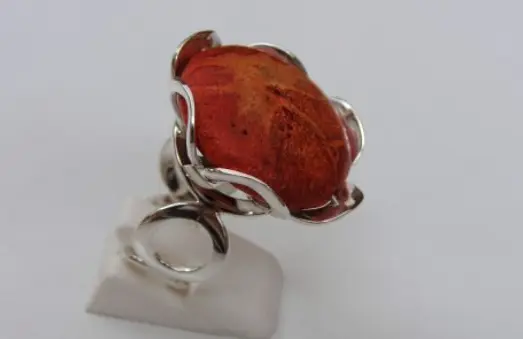
Rings: Echoes of nature, the voice of design.
Author design seeks to connect with what is essential. Organic geometry meets modern aesthetics to bring to life pieces that breathe a natural rhythm, where emptiness is as important as matter, and where design does not decorate, but reveals.
See more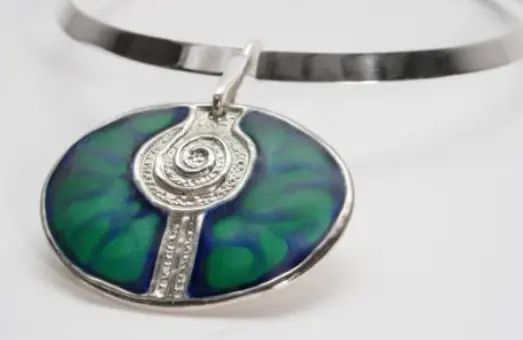
Enameled Jewels: The memory of fire, tradition, art and fire in every layer of color.
The art of enamel is applied to noble metals, selected for their purity, making it possible to achieve exceptional clarity and a unique glow in the transparencies. Through successive layers and firings, a palette rich in nuances is revealed, as if the fire left a living memory in each piece.
Ancestral Techniques, Contemporary Language
Today more than ever, jewelry design faces profound questions, not only aesthetic, but ethical, social and cultural. Faced with these challenges, it becomes essential to recover the knowledge and practice of ancestral techniques such as repoussé, chasing, kiln enameling and filigree.
These jewels not only rescue nearly forgotten crafts, but reinterpret them, giving life to an authentic and contemporary visual language. They are pieces that speak of identity, memory and permanence in a world that is constantly changing.
See more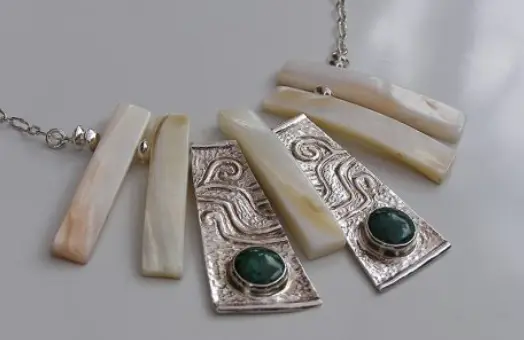
Necklaces: Repoussé ethics, chasing culture.
Jewelry design through the techniques of repoussé and chasing makes it possible to work not only the metal, but also memory. Each piece becomes a visual metaphor for care, for persistence, for the time that quality demands in the face of immediacy. In this process, ethics is not an added category, but an essential component of the design.
See more